


Macsa id laser coding systems for packaging
Macsa id laser coders mark directly onto packaging without applying ink or ribbon during coding. The beam changes a suitable surface or removes part of a printed layer to produce a visible code. Contrast and durability depend on the material and finish. Macsa offers CO₂ systems for paper, board, glass and selected plastics, fibre lasers for compatible films, foils and metals, and UV lasers for fine marking with reduced thermal impact. The right choice must be tested on the actual pack.
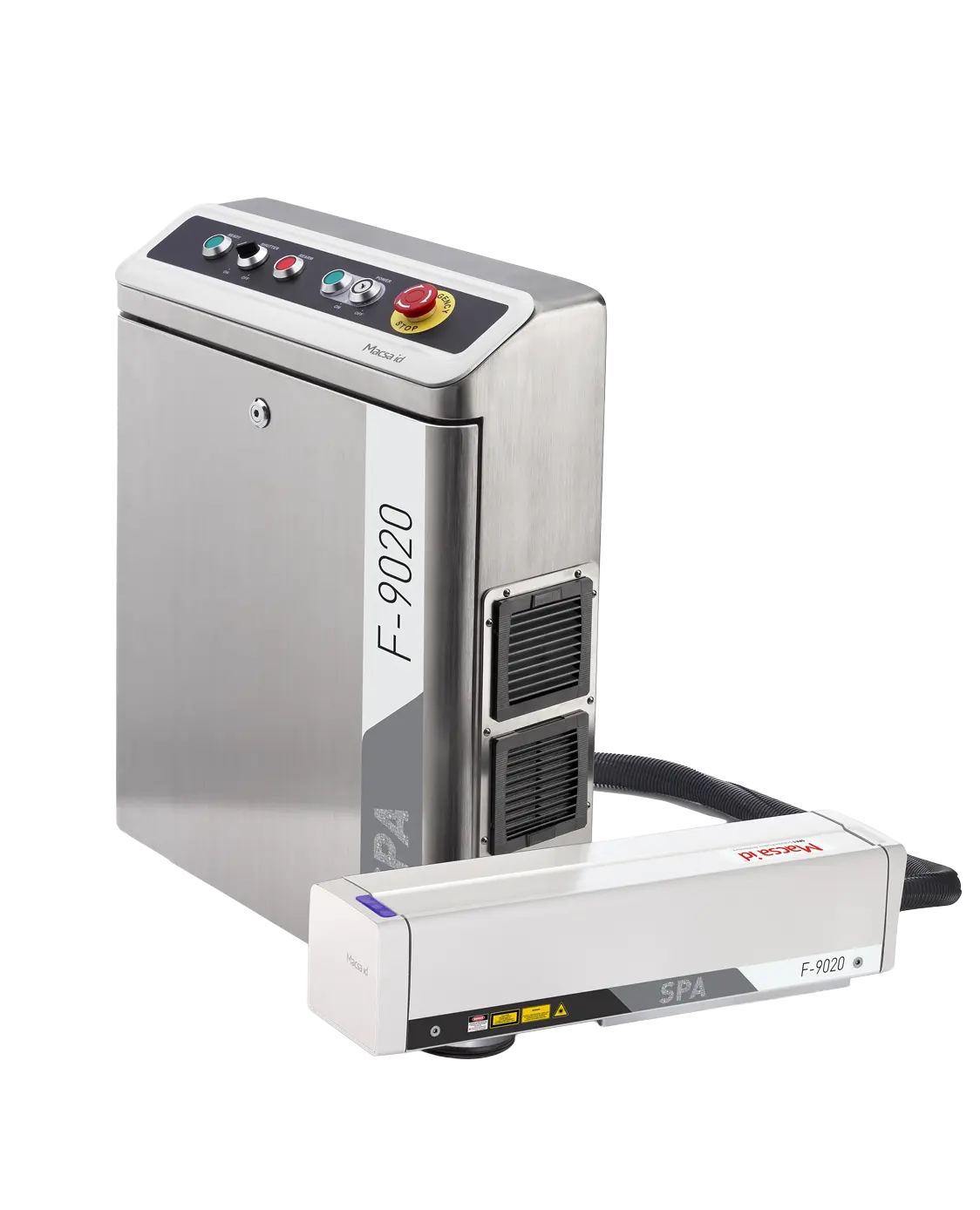
The range shown here includes six packaging solutions: the SPA2 C CO₂ platform, its washdown configuration, the compact SPARK, the SPA2 Nano UV, the SPA2 D solid-state range and the SPA2 Fiber Film. Power, protection, controls and industrial communication options vary by model. These systems can mark dates, batch details, serial numbers and machine-readable codes when the selected packaging and production conditions are suitable.
Choose a laser for the actual packaging
Two packs made from the same material can respond differently to a laser. Colour, printed inks, coatings, varnishes and barrier layers all influence contrast and the risk of damage. This matters especially with flexible film: unsuitable settings can weaken or perforate a barrier layer even when the code looks acceptable. We therefore recommend testing the finished pack at the required marking speed before choosing the wavelength, power and optics. A sample is more useful than a material name alone.
Benefits of laser coding
No ink, no ribbon, no solvent
Laser marking does not use ink cartridges or thermal-transfer ribbons to create each code. This can reduce consumable storage, replacements and associated waste on the line. Electricity, maintenance, filtration and fume extraction still need to be considered.
Durable marking on suitable materials
The mark is created by a controlled change to the material or its surface coating, rather than a layer of applied ink. It can be highly durable, but resistance to rubbing, moisture and handling must be checked on the actual packaging.
Three technologies, one supplier
CO₂, fibre and UV lasers interact differently with packaging materials. Having all three technologies available helps match the source and wavelength to the pack, its coating and the required code, rather than treating one laser as suitable for everything.
Variable codes on production lines
Macsa's DUO dual-processor technology, used in the SPA2 range, supports changing dates, batch details and serialised information during production. Achievable line speed still depends on code size, material, optics and the available marking time.
Protection for different production areas
Selected SPA2 systems offer IP31 protection for standard environments, IP54 for dusty areas and IP65 configurations for washdown applications. The rating applies to the specified enclosure; cleaning methods and exposure to chemicals must also be checked before installation.
Test the finished packaging
A trial on the finished packaging can establish code contrast, readability and resistance to handling. For flexible packs, the test should also assess whether marking affects the material or barrier layers. Send us samples so we can discuss a suitable evaluation.
Technical specifications
These figures cover the laser systems presented below. The appropriate wavelength, power, enclosure and control options depend on the package and the production line. We can help assess the requirements and arrange sample marking.
- Technologies: CO₂, fiber, DPSS, Green, UV
- Wavelengths: 355, 532, 1064 nm, 9.3–10.6 µm
- Power range: 5–125 W by model
- Protection: IP31, IP54, IP55 or IP65
- Control: 10.1" touchscreen, MarcaTouch OS (by model)
- Connectivity: TCP/IP standard; Profinet, OPC-UA
Six laser coding solutions for packaging
The six solutions cover different materials, line layouts and cleaning requirements. Some are configurations of the same laser platform.
SPA2 C
The main CO₂ platform, with models from 10 W to 125 W. It offers continuous-wave and high-power pulsed configurations, normally at 10.6 µm, with 10.2 µm and 9.3 µm options for selected applications. Suitable packs may include cartons, glass, labels, blister packs and certain plastics.
SPA2 C Washdown
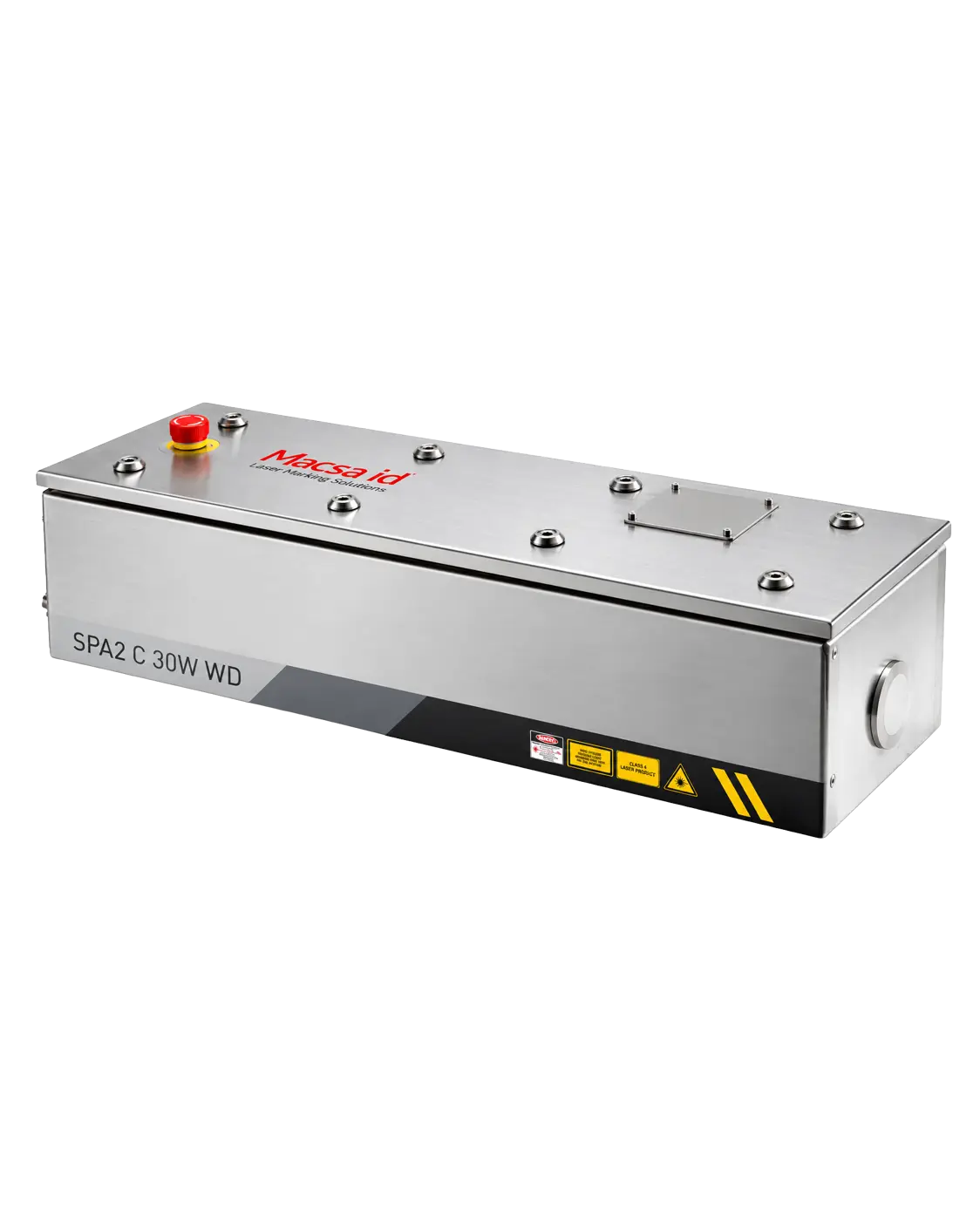
A washdown configuration of the SPA2 C CO₂ platform with an IP65 enclosure. Intended for packaging lines where regular wet cleaning makes a standard cabinet unsuitable. Confirm the required power, cleaning chemicals and installation conditions.
SPARK
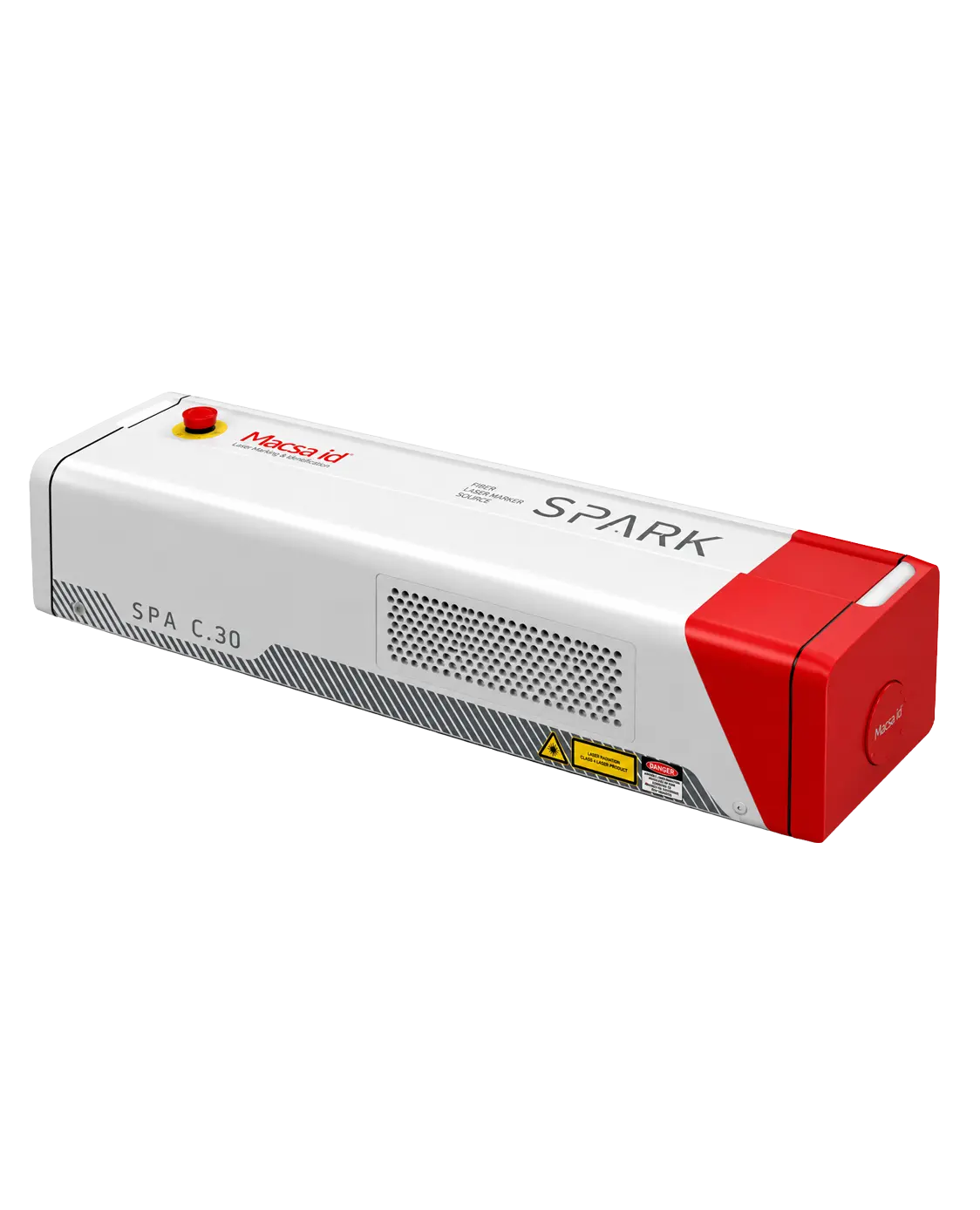
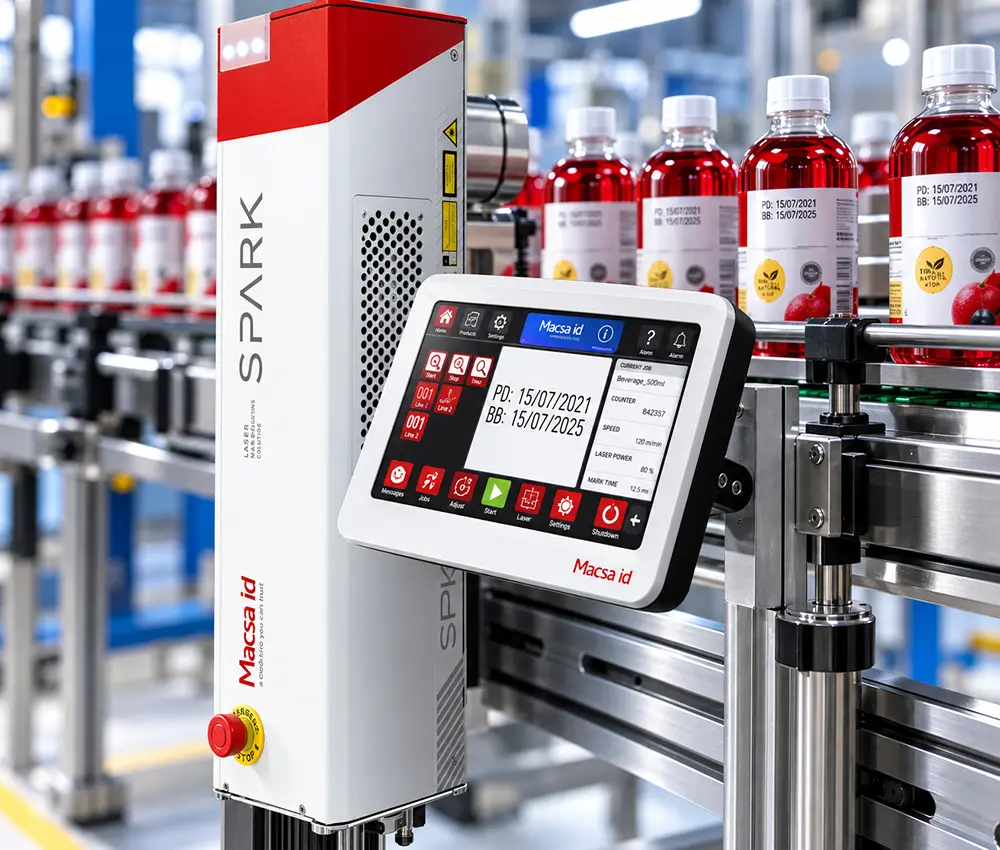
A compact 10 W or 30 W CO₂ laser coder for everyday date and batch marking. A 10.1-inch touchscreen controller with MarcaTouch OS supports message setup and operation. Applications include suitable cardboard, paper, glass, wood and plastics.
SPA2 Nano UV
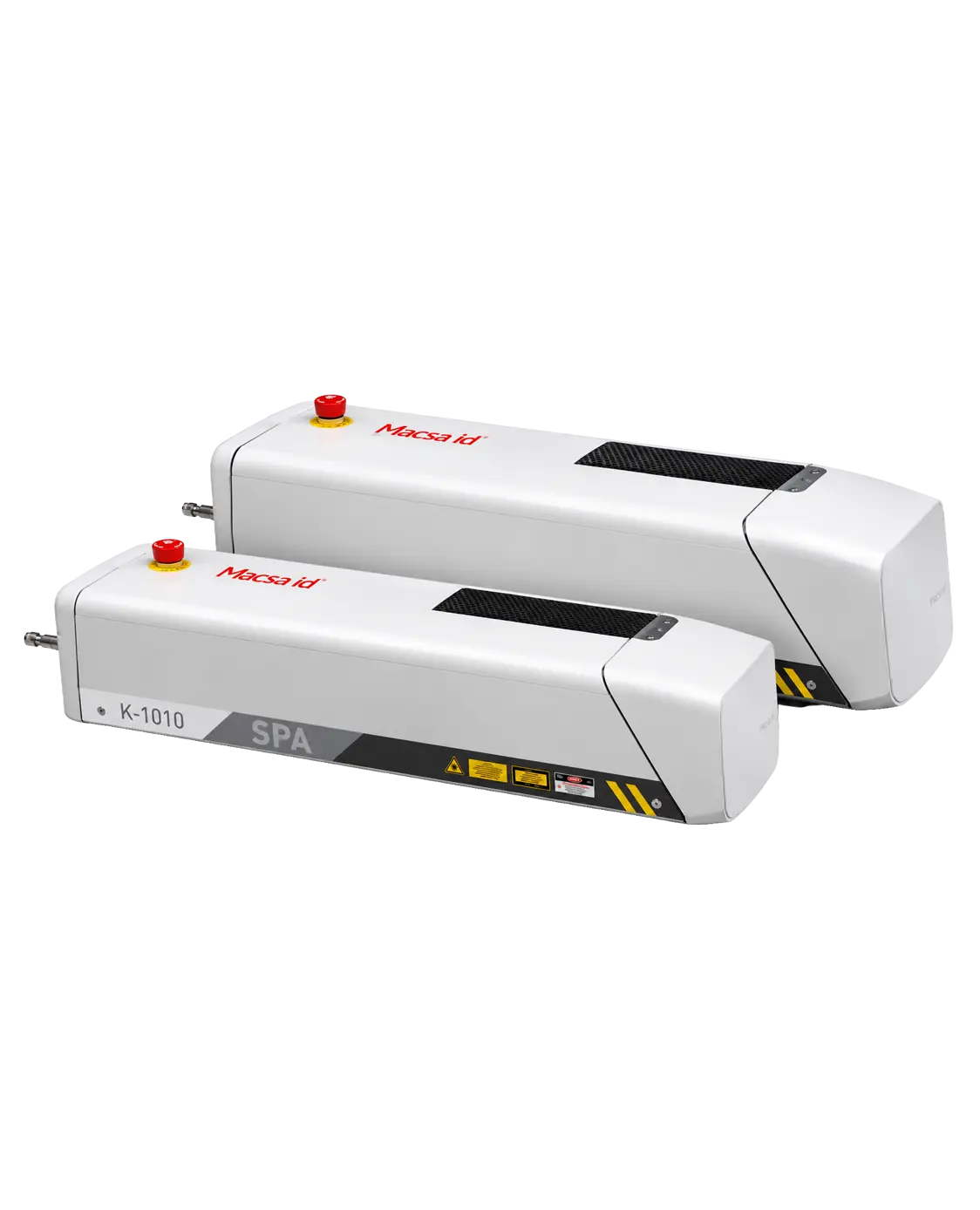
A compact, air-cooled 5 W UV laser at 355 nm for fine codes on selected sensitive plastics, films, coatings and glass. It offers controlled heat input and a configurable beam-exit angle for installations with limited space.
SPA2 D | Green | UV
A solid-state range with 1,064 nm DPSS, 532 nm green and 355 nm UV options. It can be evaluated for delicate plastics, coated materials and precise marking on tubes, tubs, dispensers and cosmetic or pharmaceutical packaging.
SPA2 Fiber Film
A 1,064 nm continuous-wave ytterbium fibre laser in 20 W, 50 W and 100 W versions. Developed for compatible printed, laminated and metallised films, pouches and lidding. Testing must confirm both code quality and packaging integrity.
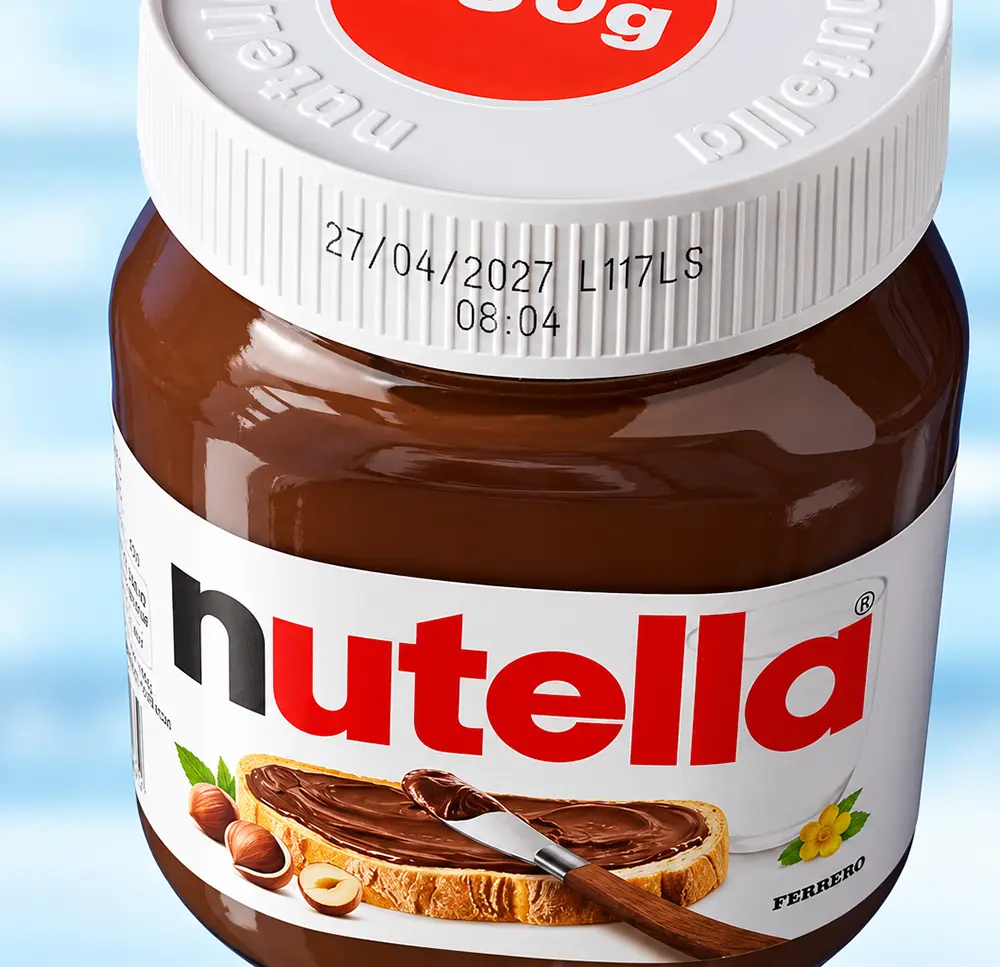
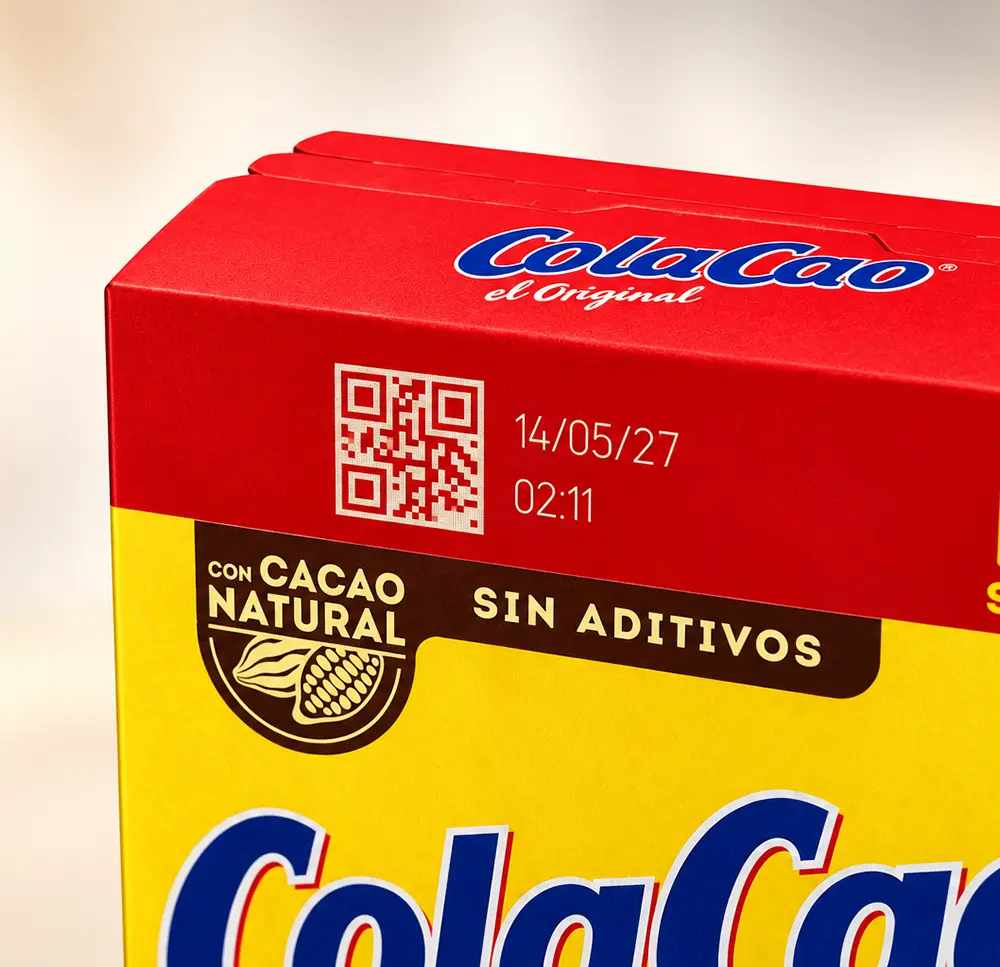
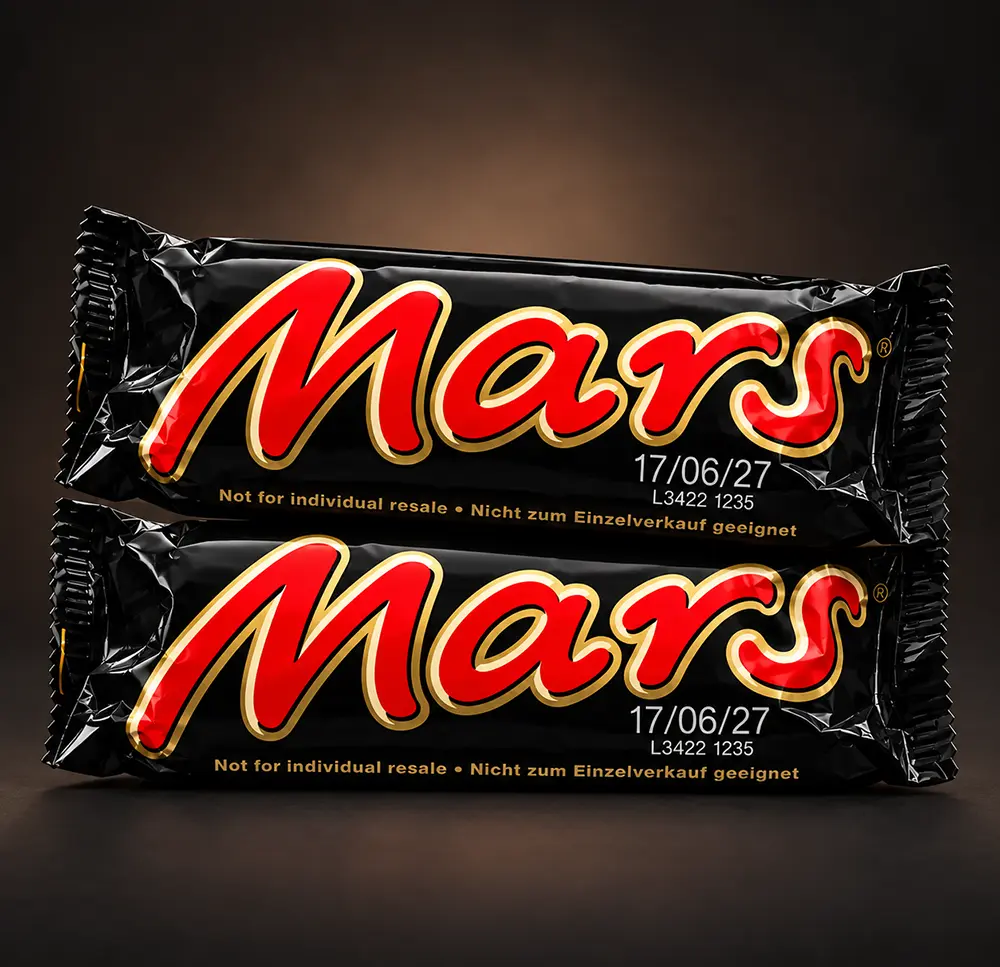
Laser coding in action
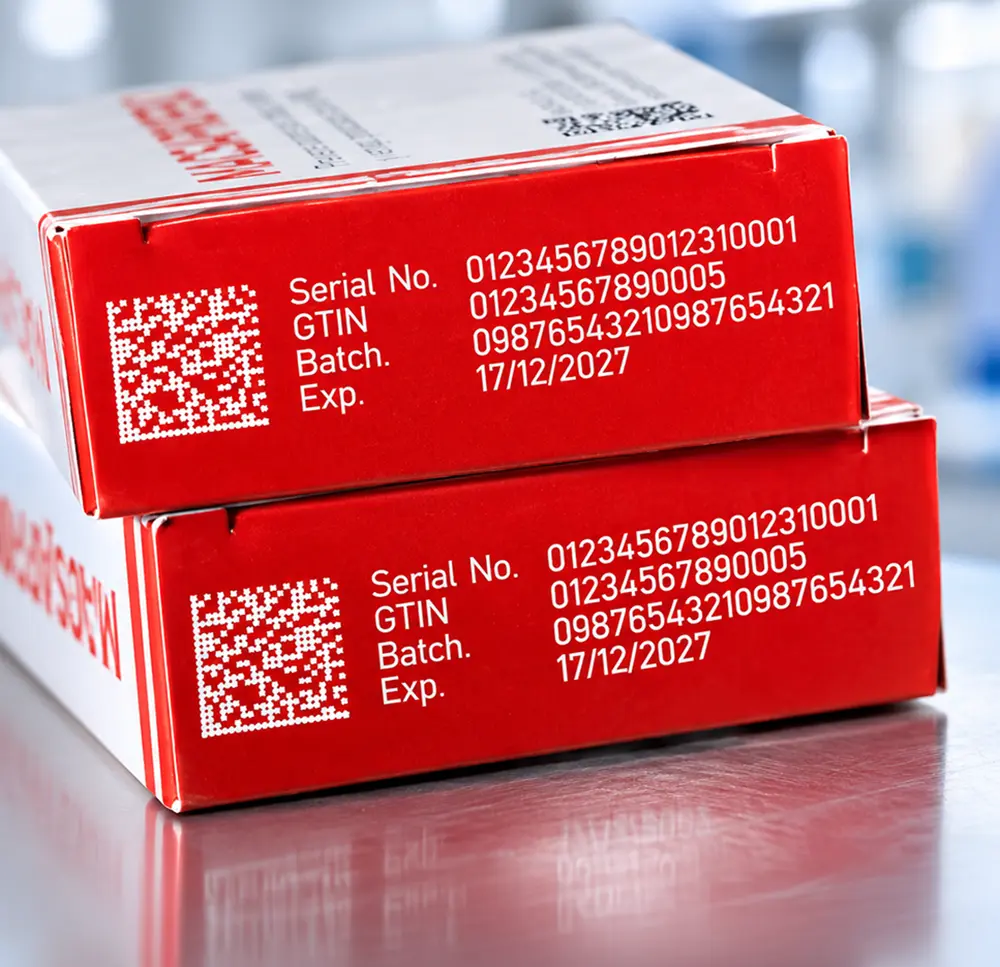
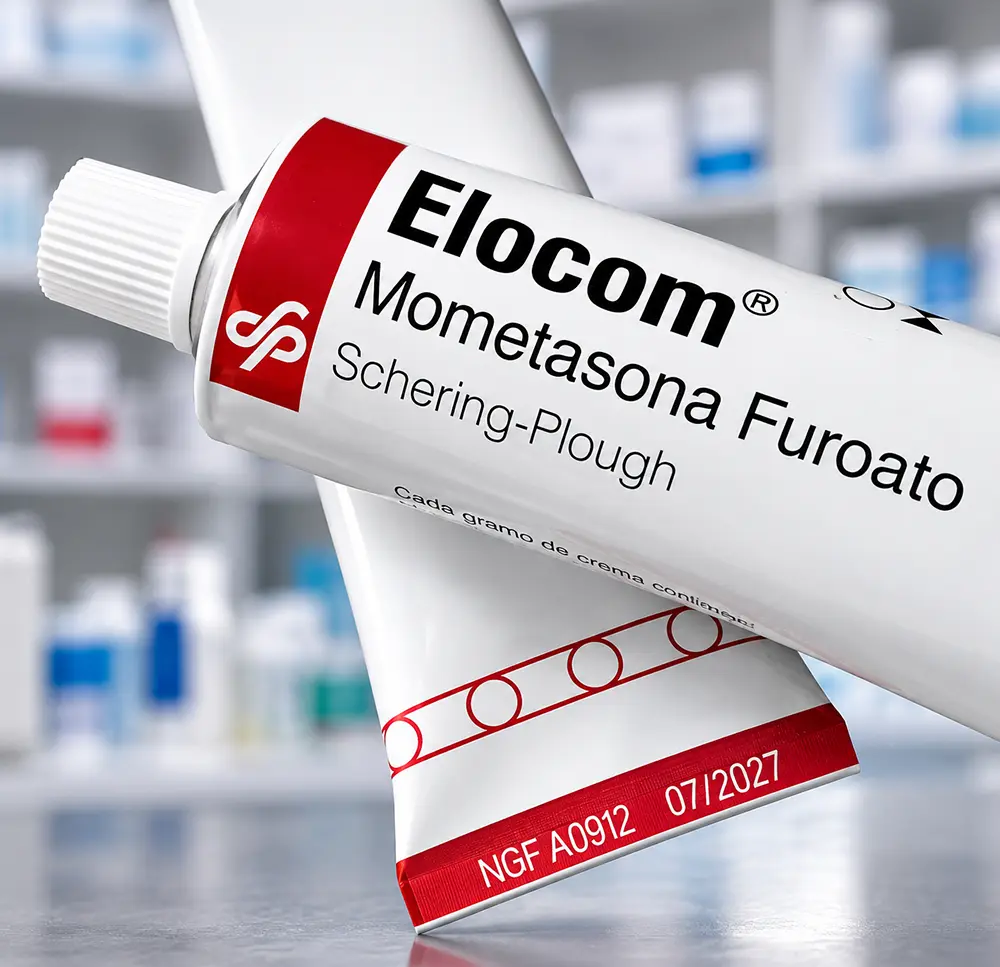

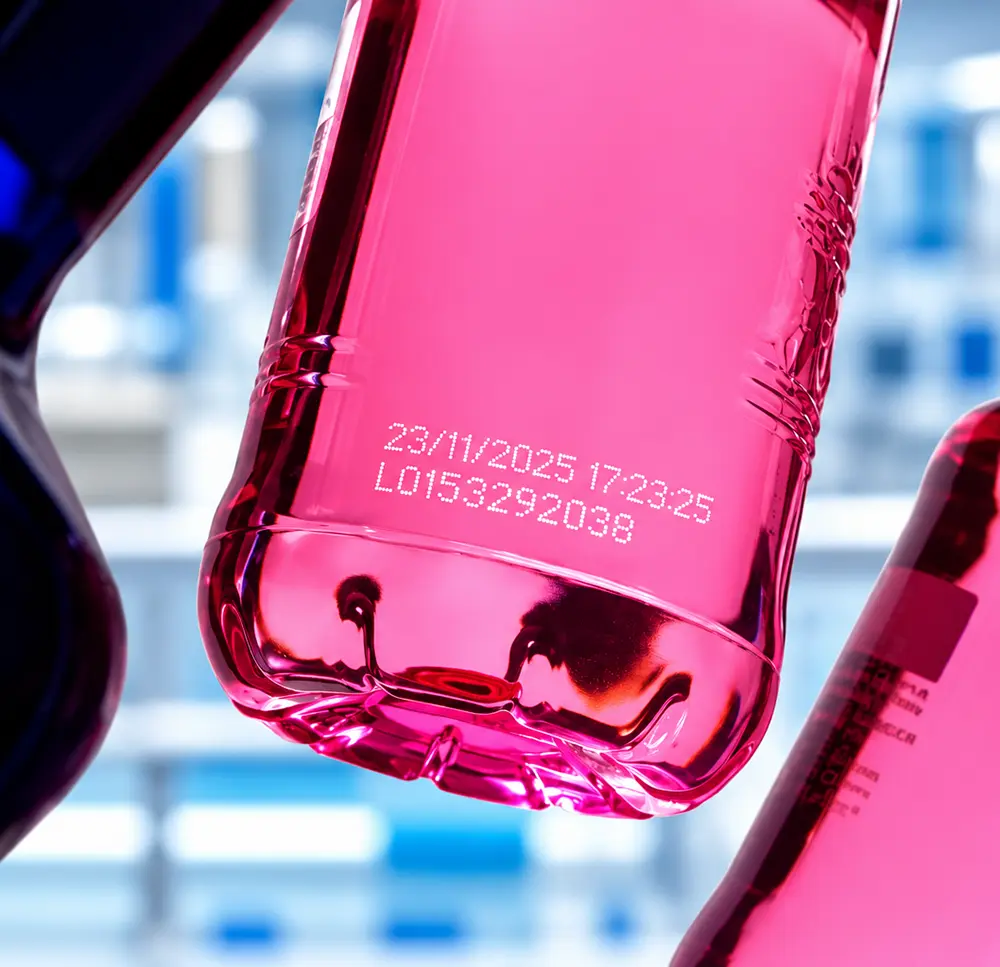
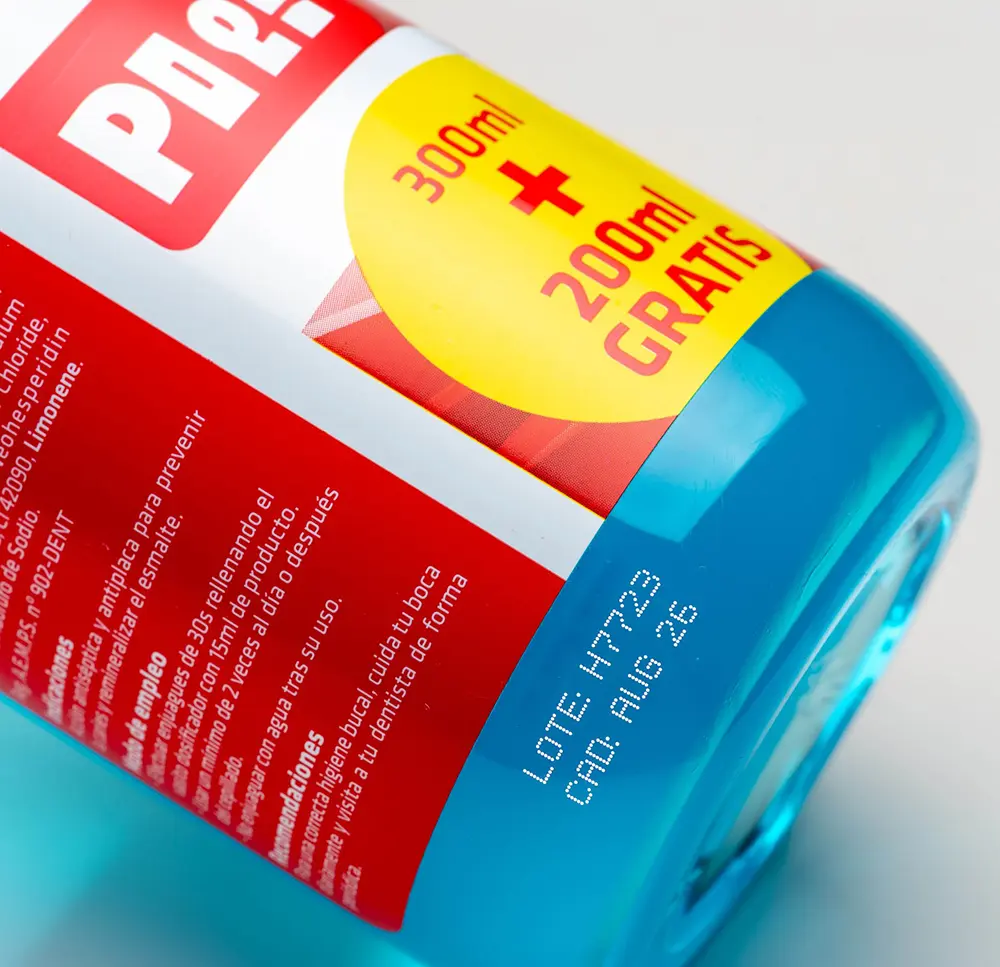
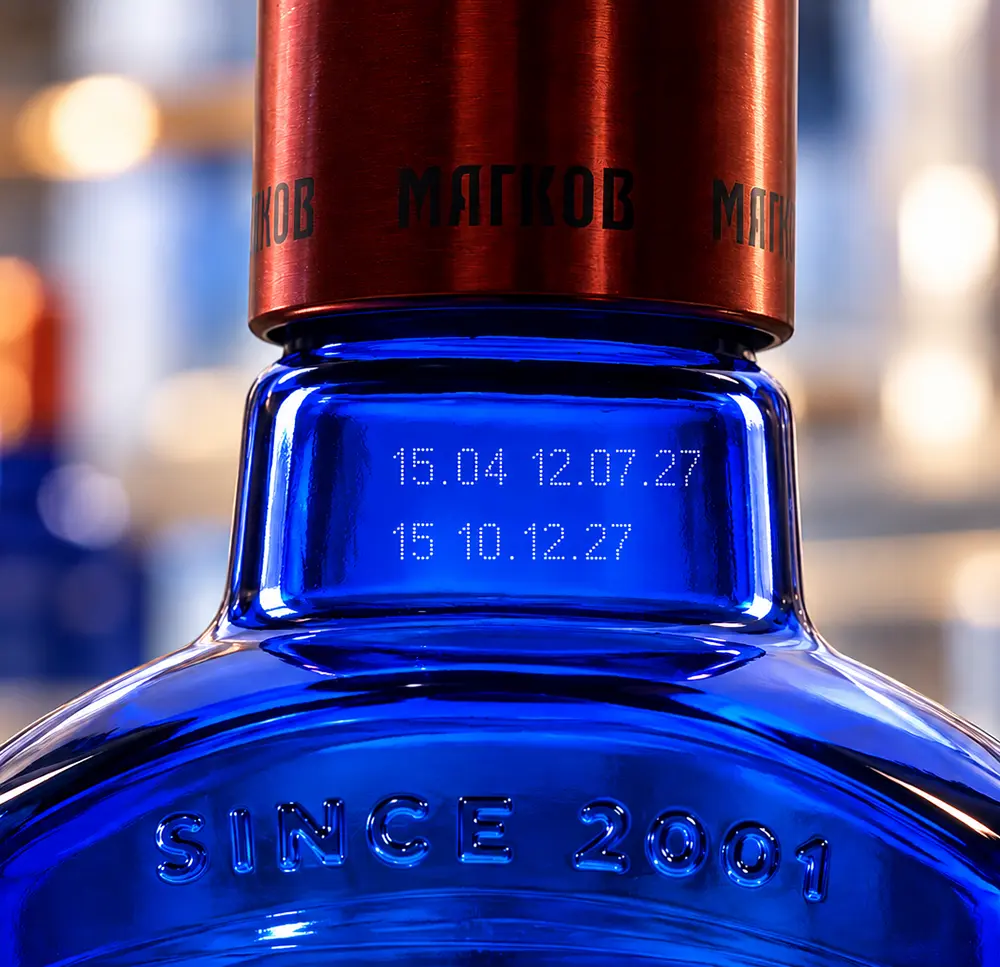
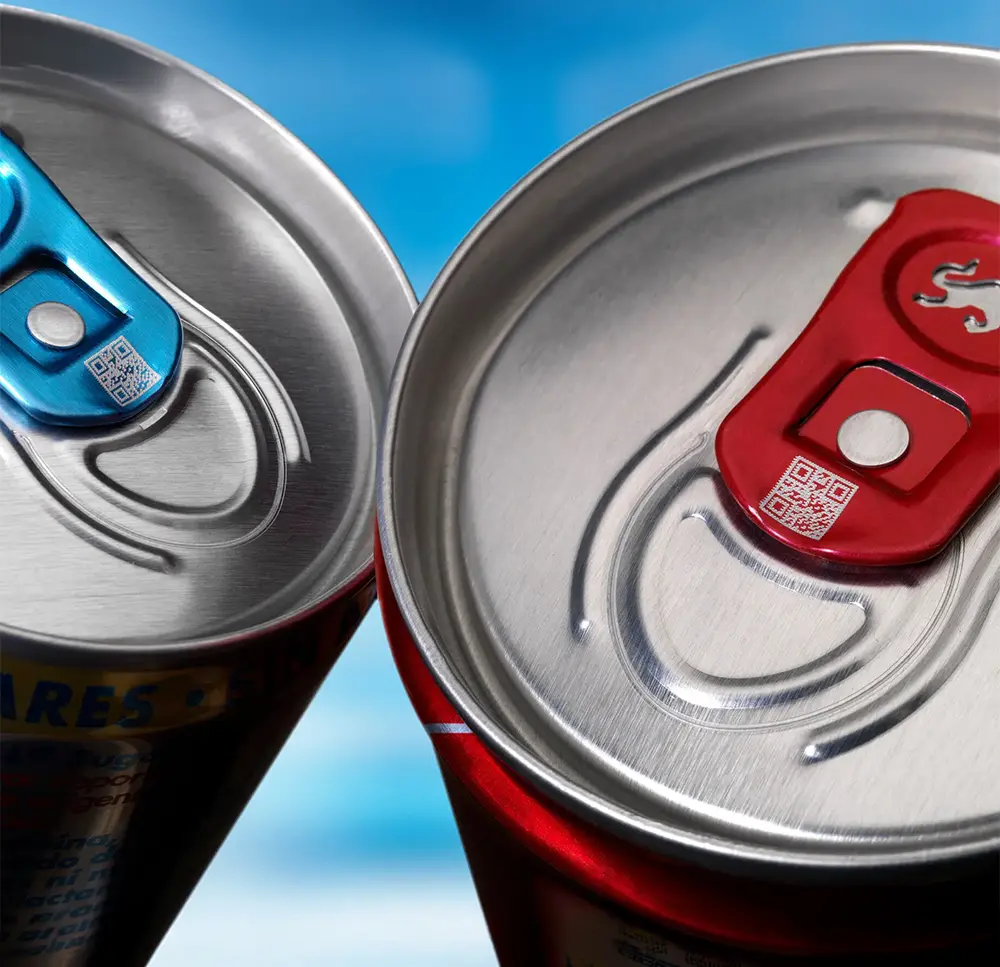
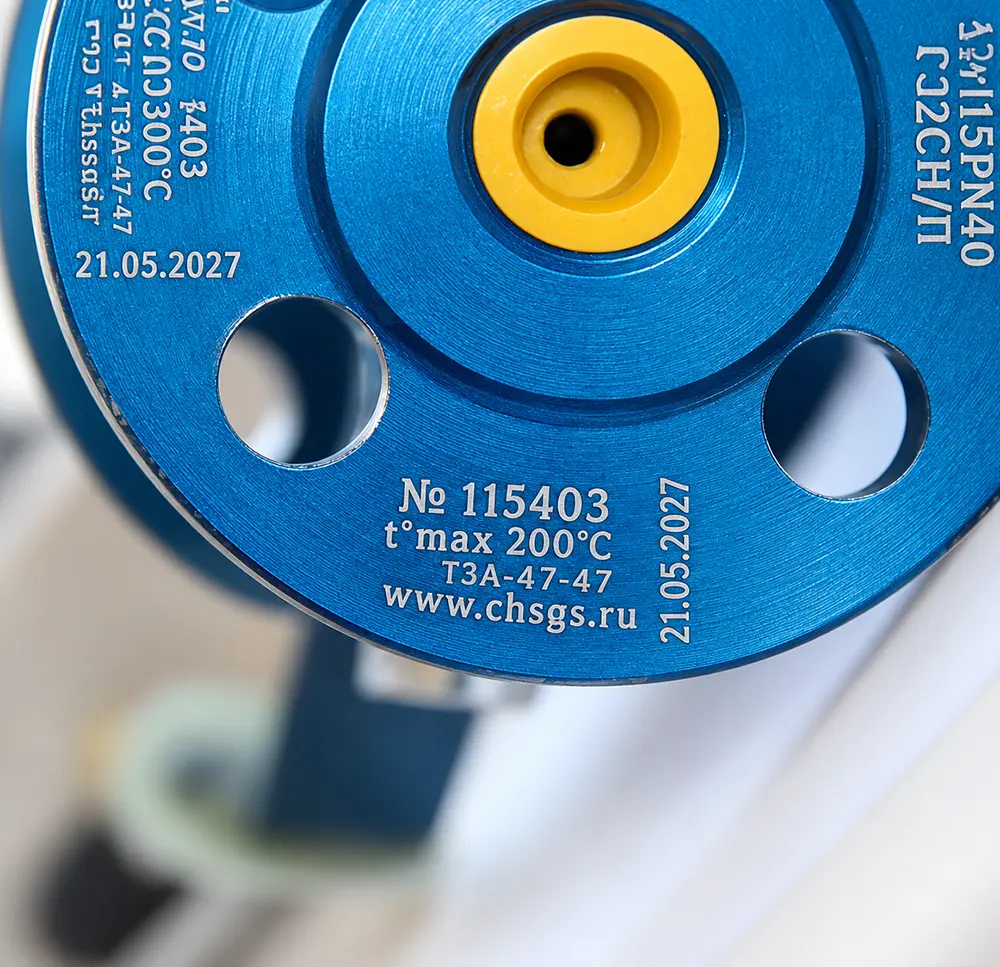
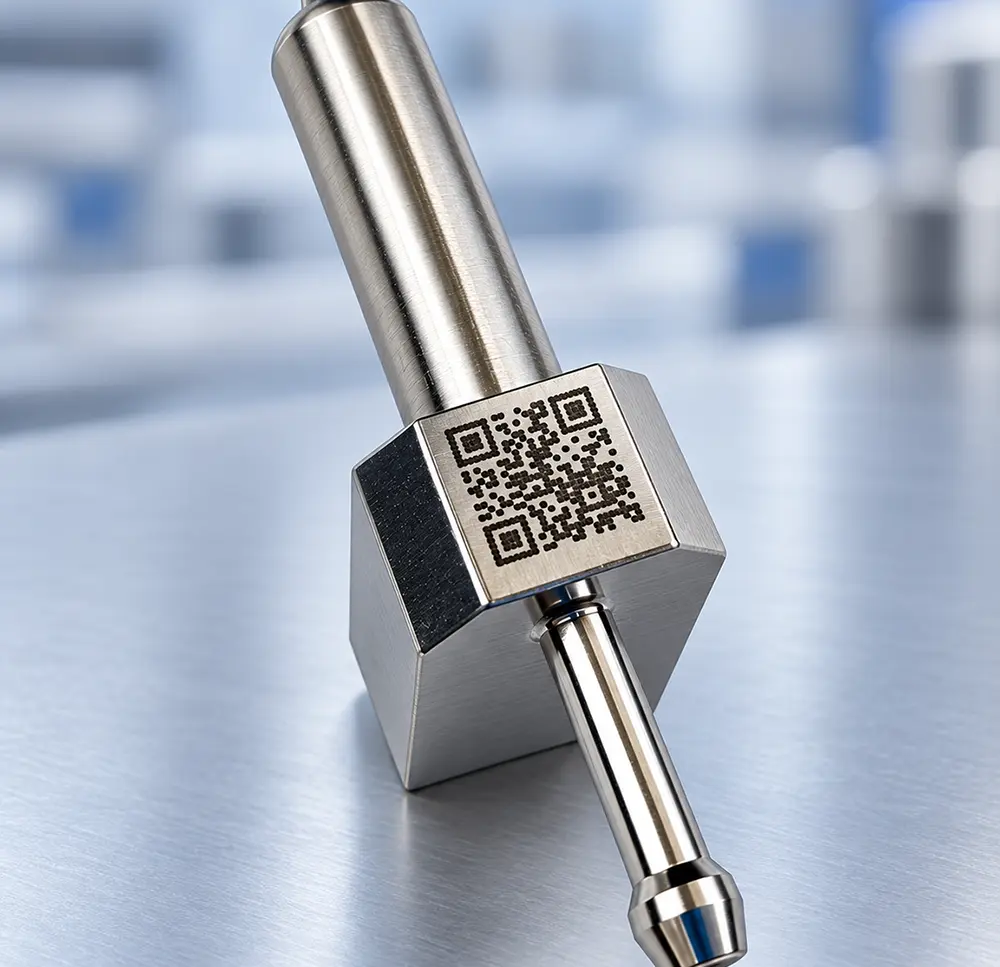
Choosing a laser for your packaging
Compare the systems by packaging material, wavelength, output power and enclosure. These are starting points; the final configuration also depends on code content, contrast and line speed.
| System | Technology | Wavelength | Power | Protection | Best for |
|---|---|---|---|---|---|
|
SPA2 C
CO₂ platform
|
CO₂ sealed tube |
10.6 µm
10.2 / 9.3 µm options
|
10–125 W | IP31 / 54 / 65 | Paper and board, glass, ceramics, coated materials, PET and PVC — cartons, bottles, labels and blister packs |
|
SPA2 C Washdown
IP65 configuration
|
CO₂ sealed tube | 10.6 µm | By model | IP65 | Food and beverage lines cleaned down as routine, where moisture and cleaning agents rule out a standard enclosure |
|
SPARK
Compact CO₂
|
CO₂ | 10.6 µm | 10 or 30 W | Ask us | Straightforward date and batch coding on cardboard, paper, glass, wood and selected plastics — the simplest system to operate |
|
SPA2 Nano UV
Air-cooled DPSS
|
UV DPSS | 355 nm | 5 W |
Configurable
Dusty options
|
Sensitive plastics, films, coated surfaces and glass where fine detail and low heat input are essential — PET, PP, HDPE, ABS, PBT |
|
SPA2 D | Green | UV
Solid-state range
|
DPSS / Green / UV | 1064 / 532 / 355 nm | By model | Standard to washdown | Delicate plastics and coatings, coating ablation and special surfaces — tubes, tubs, dispensers, cosmetic and pharmaceutical packs |
|
SPA2 Fiber Film
Ytterbium CW fiber
|
Fiber | 1,064 nm | 20 / 50 / 100 W | IP31 / 54 / 55 / 65 | Printed, laminated and metallised films, pouches, wraps, trays and lidding — and metal packaging such as cans |
Capabilities and options vary between systems. Dates, batch details, logos, barcodes and 2D codes can be supported on suitable materials. SPA2 models use DUO technology for variable data; TCP/IP and optional protocols such as Profinet or OPC UA depend on the model. A 10.1-inch MarcaTouch controller is available for the relevant configurations, while IntegraNet 4.0 offers separate monitoring and maintenance software. Not every power, wavelength or enclosure combination is available in every model. Macsa also offers other laser solutions, including BlueBox, ClearPix and iLumiFlex. Code quality, packaging integrity and the required safety measures should be checked before installation.
Request a packaging assessment
Send us a sample of the finished pack, together with the code artwork and line speed. We can discuss marking trials and the most suitable technology.
Common questions about laser coding
Laser marking usually works by changing the colour or texture of the surface, or by removing a thin printed or coated layer to reveal a contrasting material underneath. The outcome depends on the wavelength and the exact packaging structure. Similar-looking packs may produce very different results.
CO₂ is often used for paper, board, glass and selected plastics. Fibre lasers may suit coated films, foils and metal packaging. UV can be useful for small codes and heat-sensitive materials. These are starting points, not guarantees of compatibility.
The right choice depends on the finished pack, the required code and the production speed. A marking trial helps establish whether the result is readable and the material remains suitable for use.
Yes. Excessive energy or an unsuitable wavelength can affect coatings and plastic films, including layers that protect the contents. Damage may not be obvious from the appearance of the code. Flexible packaging therefore needs appropriate marking trials and, where relevant, barrier-integrity testing. Settings should be validated before production starts.
Laser coding does not consume ink, make-up solvent or ribbon for each mark, which can reduce consumable costs and handling. The savings depend on production volume and the technology being replaced.
Laser equipment may have a higher initial cost, and installation can require guarding, fume extraction and other safety measures. Electricity and maintenance also contribute to operating costs. Compare total cost over the expected operating life rather than consumables alone.
Laser safety must be assessed as part of the installation. Depending on the equipment and access arrangements, protective enclosures, interlocks and suitable fume extraction may be required. Marking plastics or removing printed coatings can release particles and vapours. The final measures should follow the laser classification and a site-specific risk assessment.
Communication options depend on the model and controller configuration. Relevant systems support TCP/IP, with Profinet, OPC UA or EtherNet/IP offered where specified. SPA2 DUO technology supports variable content, while compatible systems can use MarcaTouch controls and Macsa's IntegraNet 4.0 monitoring software. ERP or MES integration should be checked against the required data interface.
Laser marking is not suitable when a material gives insufficient contrast, a code cannot be read reliably, or the process would damage the packaging. In such cases, testing an inkjet or thermal-transfer solution may be more practical.
For non-contact date and batch coding on a broad range of packs, see Hitachi UX2. For suitable cartons and other substrates, Markoprint X1JET HP may be an option. For flexible films that are unsuitable for laser coding, consider Savema TTO. We can help compare sample marks and line requirements.